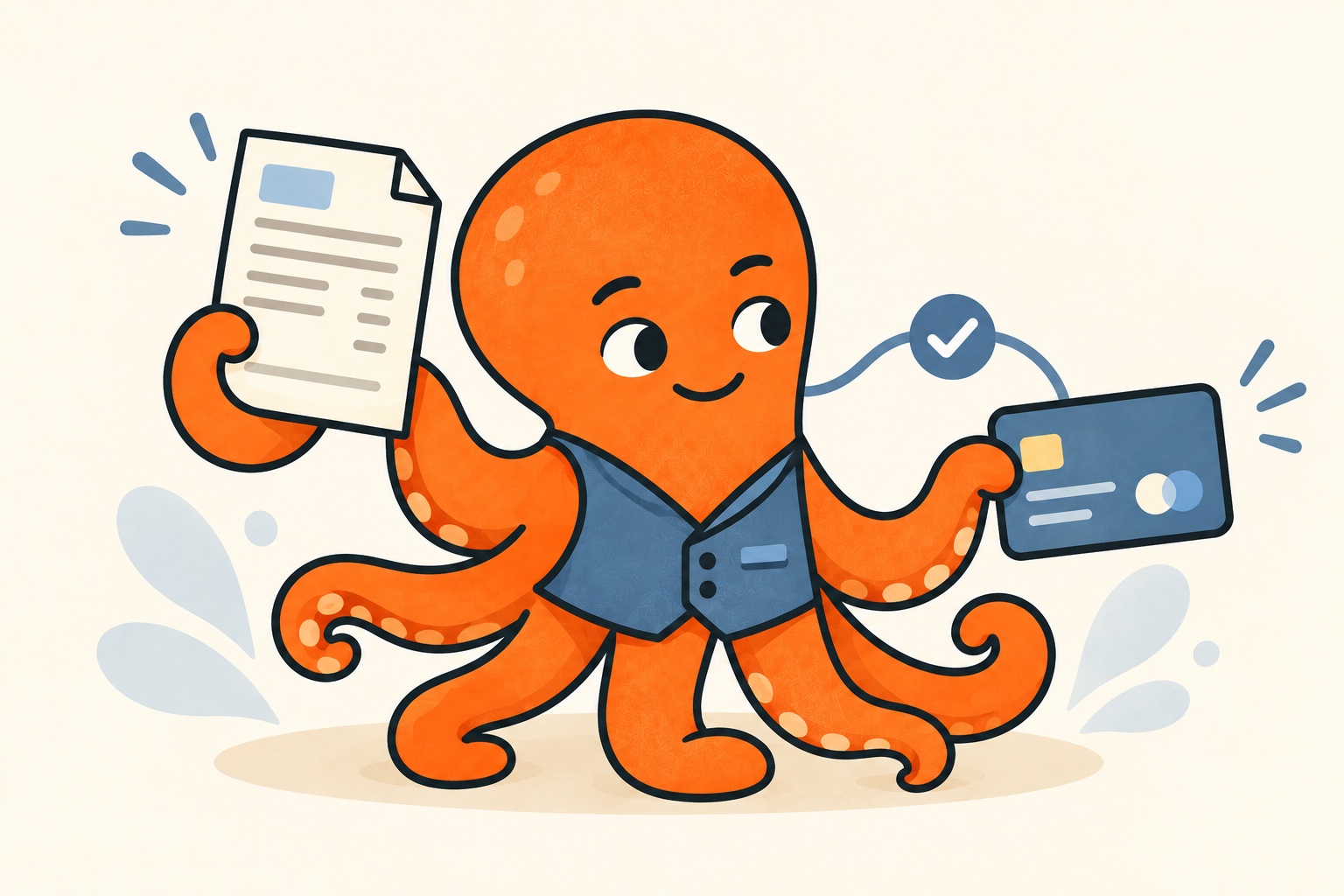
One payment need not correspond to one document
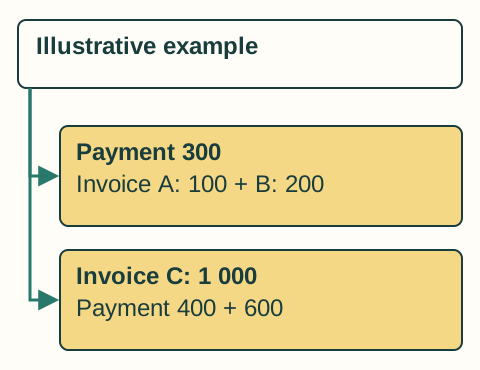
A deposit and later balance may concern one job. One payment may cover several invoices. An online service's bank entry may name a payment intermediary while another company issues the document. Refunds may concern an earlier purchase whose documents you already provided.
This is why searching by amount alone can stall. The same sum may not be unique either. With a monthly subscription, it is easy to find the right amount in the wrong period.
When preparing records, do not close an item just because you have a bank-transaction screenshot. Tell your accountant which documents you have and what you could not obtain. Discuss their actual usability and the next accounting steps with them.
Use the payment as a starting point
Use the date, payee, and other useful details on your bank statement to identify the purchase. Search orders, your customer account, or email using those clues. For a recurring service, an older invoice can show the usual subject line and sender.
Choose a wider search period initially. The invoice may have arrived before payment, and some services publish billing later. The statement date alone should not restrict your search to a single day or month.
If a colleague arranged the purchase, ask specifically. They may have the order confirmation or access to a portal you cannot reach. Repeatedly searching your own email for a message that always went to them is inefficient.
With foreign currency, do not force an exact amount match
In the example, you pay for a service in euros, but the Czech-crown account shows the converted amount. Searching email for that exact crown amount may not find the invoice. Return to the service name, purchase time and customer account instead.
Provide the payment context with the invoice if your accountant needs it. Do not rewrite the document to match the statement or use your note to replace their treatment of exchange differences. Your collection task is to supply correct originals and truthful information.
Apply the same care to partial refunds or one payment covering several documents. A short note about their relationship can save further investigation, whereas the pair of numbers alone will not explain the difference.
Separate uncertainties by next step
If you have a payment but no invoice, search with the supplier or request a copy. If you have an invoice but do not know whether it was paid, that is another question. If details or amounts differ, establish context before automatically treating one record as wrong.
The following overview is an organisational aid, not an accounting decision. It helps you formulate a specific question and give it to the right person.
| Situation | A useful next step |
|---|---|
| Payment exists, document is missing | Find the order or portal and ask the supplier for the document. |
| Document exists, payment connection is unclear | Give the invoice and available information to the accountant; do not present an assumption as verified payment. |
| Details differ | Check the deposit, balance, currency, refund or corrected version. |
Neither a statement nor email is automatically the complete purchase list
Some documents arrive elsewhere, some payments happen later and other purchases are paid by another person. Agree with the accountant which sources you use and how you mark uncertainties.
HeyRup can save time finding PDFs in email. You still need to check other sources, such as supplier portals or paper receipts, separately. Tell your accountant what you are sending and what you are still tracking down; automated collection does not reconcile every bank payment.