The amount in a cloud usage dashboard may not be a finished billing document. Select the right account or workspace and a closed period, then download the issued document rather than a screenshot of current usage.
A publishing tool subscription and advertising spend can involve different suppliers. Identify who billed the payment and whether you bought directly or through a mobile store, then choose the matching route.
Time-tracking tools can contain both app subscription invoices and documents for work billed to clients. Find the subscription purchase in the right workspace; for Harvest, check the billing version too.
Your accountant needs the subscription document, not access to your vault. Identify the personal or team subscription, check who can access billing, and choose the matching guide.
Find documents for Claude Pro, Max, Team and the API. Tell invoices, credit purchase receipts and entries without a payment apart, and request missing records.
ChatGPT, company workspaces and the API have separate billing documents. Find the right history by service, account owner and purchase through the web or an app store.
Trace one known invoice through the supplier’s billing contact, the message recipient and the receiving mailbox. Record the result and test changes one at a time.
There are no attachments, but the invoice details appear in the message. How do you preserve them and send them to your accountant — and when should you ask the supplier for a separate PDF?
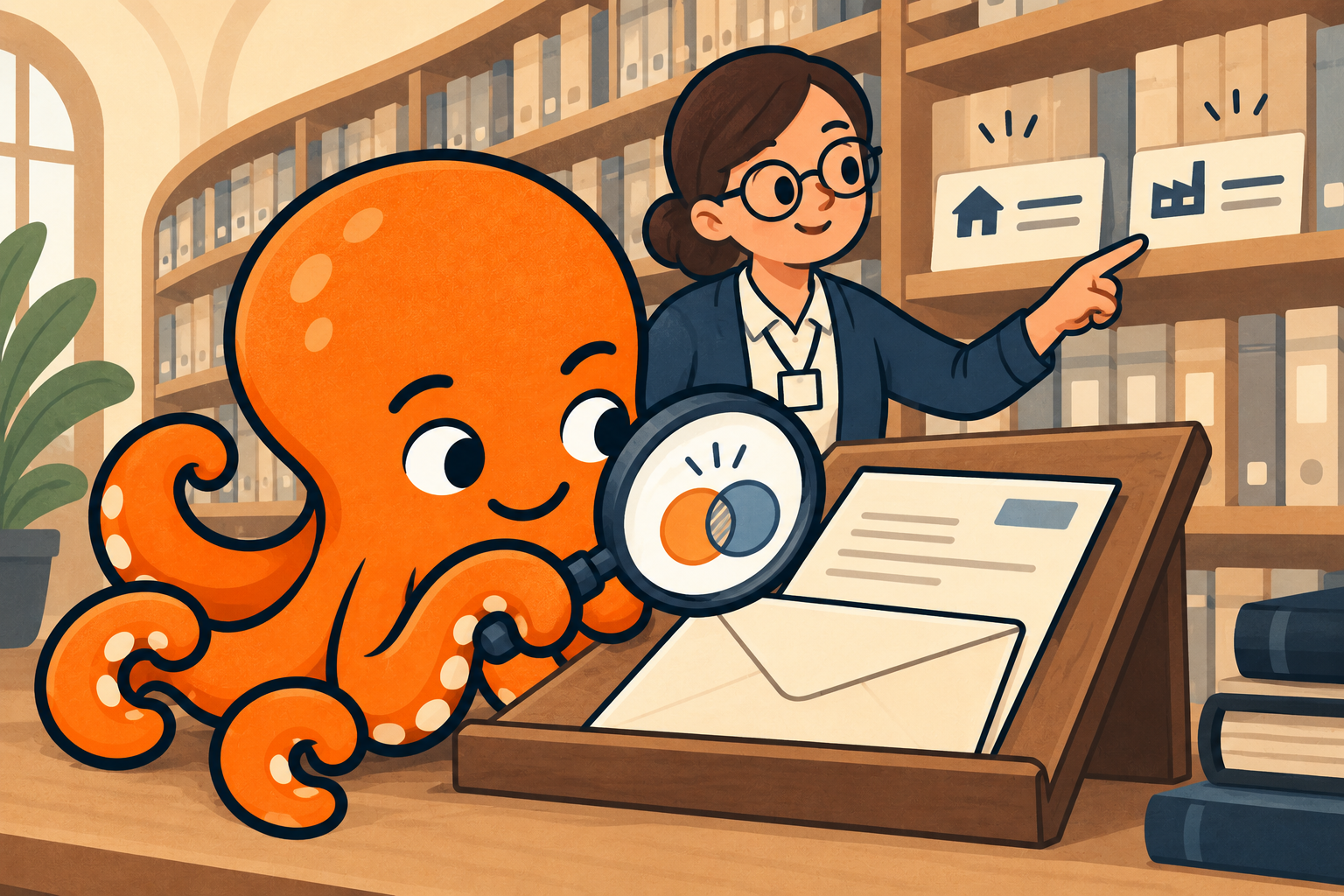
Looking for an invoice, but the familiar service name returns nothing in your email? An older document may reveal a different issuer name and the address invoices come from. Use those details to narrow your search and learn what to verify when a message comes from someone unfamiliar.
Find the invoice message in Gmail, use its own Forward menu, then check recipients, attachments and quoted history before sending it to your accountant.